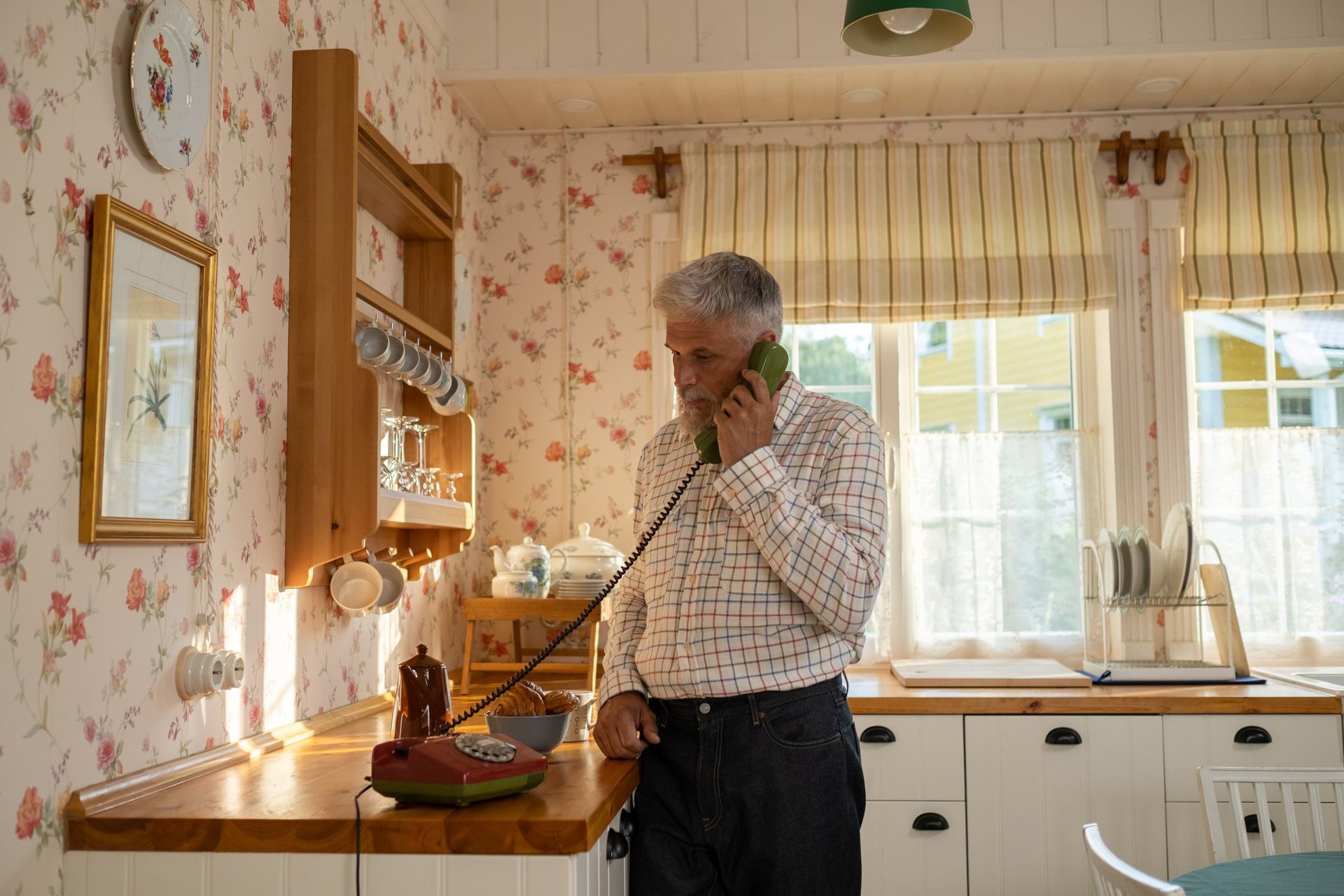
Moving a loved one into assisted living is rarely simple — but there are clear signals it may be time. Five behavior changes to watch for, plus how to keep the conversation collaborative.
Deciding to place your loved one into an assisted living facility can be a difficult decision riddled with inner conflicts — guilt, anxiety, relief, and grief. Still, recognizing the signs that it's time for a higher level of care is crucial to the health and quality of life of your loved one. Here are some tips and strategies to help you and your loved one through this challenging time.
Ask for Your Parent's Input as Early as Possible
When discussing living in an assisted living home, it's a good idea to stay sensitive to your loved one's feelings. Many seniors have a very hard time imagining their lives in a different place than their home, so if your parent still has the cognitive ability to take part in the planning and decision-making, ensure they feel like a leader in the process. Start mentioning the realistic options for future caregiving arrangements and discuss all their available resources and possible facilities.
For instance, a question you need to ask is how your parent or loved one plans to cover assisted living costs. Mention a few options they can consider, such as getting help from Medicaid or selling their house. The latter option might seem harsh, but it's an excellent idea — especially if they don't qualify for various government programs available for seniors. Selling a house is possible, even during a pandemic, as the circumstances have forced buyers and sellers to find innovative methods to visit and list the place virtually. Through 3D walkthroughs, virtual open houses, or video-chat tours, buyers can now visit any property they want to see before purchasing. When listing the home, don't forget to check the prices in the area, consider minor renovations, and stage the house to get the ball rolling for you.
5 Signs a Change in Care May Be Needed
Moving your parent into assisted living can be extremely difficult for everyone involved, but sometimes the most challenging part is knowing when the right time is to make a move. Obvious red flags like frequent accidents or a sudden health downturn may speed up the decision, but often there are no clear signs. Still, there will be clues along the way that can alert you that a change may be required.
1. Care Is Becoming Untenable
A sign that you should consider placing your loved one in an assisted living facility is if you, the caregiver, are becoming more and more tired and frustrated with the care required by your loved one. Other signs include the fact that they cannot care for their fundamental needs, become needier or less capable of performing things independently, and are wearing down the person tending to them.
2. Recent or Frequent Accidents
If your loved one falls again, how long might they be stuck before someone arrives to help? Regular falls — especially if your parent cannot get help — indicate that it's time for more support or an assisted living home.
Often, falls occur when seniors are having trouble with house-cleaning tasks. For instance, cleaning gutters can be dangerous; hiring a professional to help can allow your beloved senior to stay in their home as long as possible while protecting their wellbeing. Simply search Angi for “house gutter cleaning near me” and browse through the ratings and reviews to find the right professional for you.
3. Chronic or Worsening Health Problems
If plummeting health is a serious concern, it might be time to consider moving your loved one into an assisted living home. Likewise, if they are taking longer to recover from an injury or illness, this can be a sign of a weakening immune system — and they may need more care.
4. Home Becomes Dangerous
Consider your loved one's safety in their present living situation. As they age, many people find stairs challenging to handle, leading to falls or daily chores going undone. The location of your loved one's home — like a busy street in town — could also be hazardous if they tend to wander.
5. Changes in Mood or Aggressive Behavior
Hostile behavior may be connected to confusion and dementia, which might indicate a move to an assisted living facility is needed. These skilled homes often have special memory care units for people living with dementia.
The Bottom Line
Take these clues into consideration the next time you think tending to your loved one is overwhelming — they may help you make good decisions regarding assisted living. If you are considering placement, be sure to contact your loved one's doctor and find your best options in terms of facilities.
Since 2000, Banyan Place has led the effort in assisted living in South Florida by caring for hundreds of seniors. We have been at the forefront of providing full-time living arrangements in the least restrictive and most home-like setting. Contact us today.
Author: Lydia Chan — lydia@alzheimerscaregiver.net. Photo credit: Unsplash.